

Wet Dust Collectors for Combustible & Non-Ferrous Metal Dust
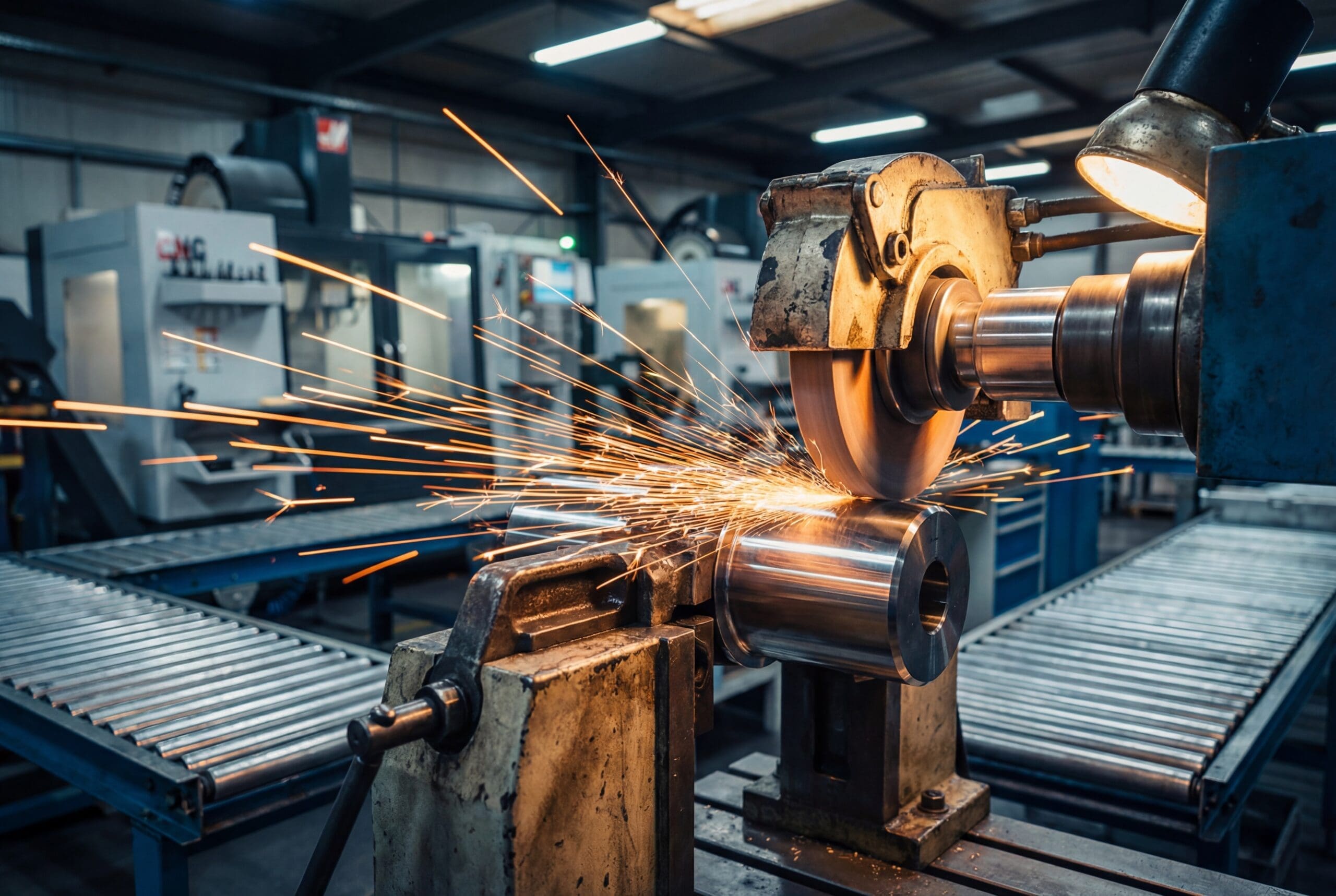
Grinding, cutting, and deburring non-ferrous metals like magnesium, titanium, and aluminum create particles that can ignite or explode. Standard dry filtration cannot safely handle these combustible metal dusts, making wet dust collectors a compliance requirement under OSHA and NFPA 484.
Spartan Air has designed and installed wet dust collection systems for metalworking facilities across Pennsylvania, Delaware, Maryland, Washington, D.C., and Southern New Jersey since 1987. OSHA requires wet dust collection for certain combustible metals. Is your operation in compliance?
How Do Wet Dust Collectors Work?
Wet dust collectors—also known as wet collectors—use water to gather dust particles from the air. The resulting sludge settles within the wet collector system for easy cleanup.
When Wet Collectors are Necessary
Various metals, such as magnesium, titanium, stainless steel, and aluminum, can become combustible when entrained in air and drawn into a sealed chamber, such as a dust collector. These types of metals can be safely collected with the use of wet dust collectors. Failing to do so can result in combustion and/or explosion and can even increase the risk of developing certain types of cancer.
Spartan Air wet dust collectors meet the National Fire Protection Agency’s National Fire Code and help to ensure you are safely gathering potentially hazardous waste particles. Our wet dust collection systems are designed for facilities that process non-ferrous and combustible metals, keeping you in compliance with OSHA and NFPA requirements.
Wet Collector Features
Industrial wet dust collection systems offer features such as various cut-off switch types and filters with alarms. And when you work with our designers and engineers, you can add all the functionality you need to make staying in compliance easy and reliable.
Wet collectors come in a few basic configurations, and we can help you decide which one is best for your company’s tasks. Whether you need a custom-sized wet dust collection system or standard wet dust collector equipment, Spartan Air has solutions for your facility.
Why Dry Dust Collectors Cannot Handle Combustible Metals
Dry dust collectors use cartridge or bag filter media. That filter media becomes a fuel source when combustible metal dust, such as magnesium, titanium, aluminum, or stainless steel, accumulates inside the collector.
A single spark or static discharge can ignite that accumulated dust, causing a deflagration or explosion inside the unit. Wet dust collectors eliminate this risk by capturing particles in a water bath. There is no dry filter media, no accumulated fuel source, and no path for combustion.
NFPA 484 (Standard for Combustible Metals) restricts the use of dry filtration for these applications. Dry collectors are designed for nuisance dust. Combustible metals require wet dust collection systems.
Frequently Asked Questions About Wet Dust Collectors
Plant managers and safety officers often have questions about when wet dust collectors are required and how they work. Below are answers to common questions about wet dust collection systems for combustible metals.
What metals require a wet dust collector?
Metals such as magnesium, titanium, aluminum, and certain grades of stainless steel can produce combustible dust during grinding, cutting, and deburring operations. These metals require wet dust collectors to meet OSHA and NFPA 484 compliance standards and to prevent fire and explosion hazards.
Why can’t I use a dry dust collector for combustible metals?
Dry dust collectors use filter media that can accumulate combustible metal dust. If a spark or ignition source enters the collector, the accumulated dust can deflagrate, causing a fire or explosion. Wet dust collectors use water as the primary capture medium, eliminating the risk of combustion inside the collector.
What is NFPA 484 and does it apply to my facility?
NFPA 484 is the National Fire Protection Association standard specifically for combustible metal dust. It applies to any facility that processes metals such as magnesium, titanium, aluminum, and stainless steel in ways that generate fine particulate. Spartan Air designs wet dust collection systems to meet NFPA 484 requirements.
How does the sludge get removed from a wet collector?
As dust particles are captured in the water bath, they settle as sludge in the collector basin. Depending on the system, sludge can be removed manually through a drain or automatically with a rake or conveyor system. Regular sludge removal is required to maintain proper operation of your wet dust collector.
Do wet dust collectors require maintenance?
Yes. Industrial wet dust collectors require regular water level monitoring, sludge removal, and periodic inspection of pumps, alarms, and cut-off switches. Spartan Air can help you create a maintenance schedule to keep your wet dust collection system operating safely and efficiently.
Do you offer stainless steel wet dust collectors?
Yes. Spartan Air offers stainless steel wet dust collectors for facilities that require corrosion-resistant construction, particularly in food processing, pharmaceutical, or high-humidity environments.
How do I know if my facility needs a wet dust collector?
If your operation involves grinding, cutting, or deburring non-ferrous or combustible metals, you may be required to use wet dust collection under OSHA and NFPA 484. Contact Spartan Air for a free facility assessment to determine if your operation requires a wet dust collector.
Spartan Air Meets Your Wet Dust Collector Needs…Easy as 1,2,3
Spartan Air will help you choose the type of wet dust collector that’s appropriate for your facility. Get in touch with us today and we will:
- Visit your facility to assess your needs.
- Talk about how to achieve OSHA and NFPA compliance.
- Provide an estimate for your wet dust collection project.
It really is that easy when you work with Spartan Air for all your wet collector and air filtration needs!